



If you’ve researched how to accept card payments on your WordPress site, you’ve likely encountered terms like payment processor, merchant acquirer, merchant account, and payment gateway.
While they all support online payment processing, each plays a unique role in the payment processing system. Every card transaction involves securely routing payment data, requesting payment authorization through the card network, and settling approved funds into the merchant’s account.
A payment processor handles the technical flow of transaction data, while a merchant acquirer provides the merchant account, manages settlement, and assumes financial risk. In this guide, we’ll compare their roles, costs, settlement process, chargeback responsibilities, and help you choose the right payment setup for your business.
What Is a Payment Processor?
A payment processor is a company or technology platform that securely routes payment information between your checkout, the customer’s bank, and the card network so transactions can be approved in seconds. It doesn’t hold funds or own the merchant account.
A processor’s job generally breaks down into four functions:
- Authorization → securely transmitting transaction details to the issuing bank through the card network so the bank can approve or decline the payment
- Authentication → verifying the transaction isn’t fraudulent, often via 3D Secure, or CVV matching
- Capture → confirming the sale so funds can move from “held” to “owed”
- Settlement facilitation → passing the batch of approved transactions along so the acquirer can actually deposit the money
Payment processors also carry a lot of the security burden. They help merchants maintain PCI DSS compliance by encrypting payment data, using tokenization, supporting 3D Secure authentication, and protecting sensitive cardholder information throughout the payment process.
A simplified version of the data path looks like:
Checkout/gateway → payment processor → card network (Visa/Mastercard/etc.) → issuing bank → back to the acquirer for settlement.
Common payment processors include Stripe, Square, PayPal, and Adyen.
What a processor typically does not do: hold merchant funds, own the merchant account, or carry chargeback liability on its own.
What Is a Merchant Acquirer?
A merchant acquirer, also known as an acquiring bank, is a licensed financial institution that provides and manages your merchant account, settles approved card payments, and assumes the financial risk associated with your transactions. After the issuing bank authorizes a payment, the merchant acquirer receives the approved funds, completes the payment settlement process, and deposits the money into your business bank account, typically after deducting any applicable processing fees.
Acquirers are responsible for:
- Underwriting and onboarding → running KYC/KYB (Know Your Customer/Business) checks before approving a merchant account
- Issuing a Merchant ID (MID) → the unique identifier tied to your account within the card networks
- Settlement → moving approved funds into your account, typically on a T+1 to T+3 timeline, either as gross settlement or net settlement
- Risk management → chargeback liability, rolling reserves for high-risk accounts, and the ability to terminate an account if risk thresholds are exceeded
- Regulatory compliance → acquirers must be licensed and hold membership with card networks (Visa, Mastercard, etc.), and licensing requirements vary by region
Well-known acquirers include Chase Paymentech, Lloyds Bank Cardnet, and Bank of America Merchant Services.
Payment Processor vs. Merchant Acquirer: Key Differences
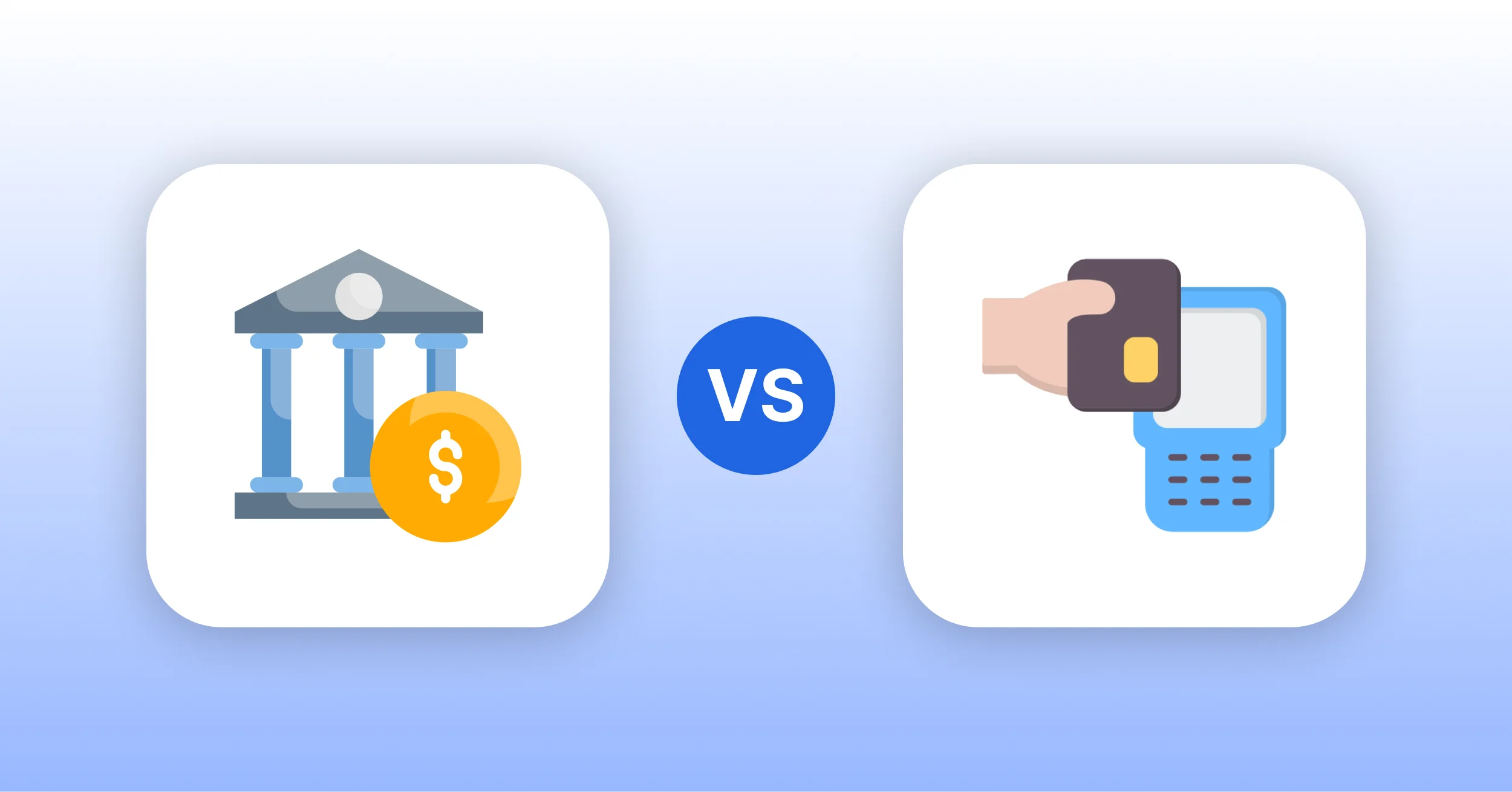
Here’s a side by side comparison of payment processor and merchant acquirer.
| Payment Processor | Merchant Acquirer |
| Routes payment data between the merchant, card network, and issuing bank | Holds the merchant account and settles approved funds |
| Processes authorization requests and communicates transaction status | Receives funds from the issuing bank and deposits them into the merchant account |
| Transfers transaction details securely between payment parties | Accepts card payments on behalf of the merchant |
| Works behind the scenes with little or no direct merchant relationship | Maintains a direct relationship with the merchant and provides the merchant account |
| Carries little to no financial risk for merchant transactions | Assumes chargeback, fraud, and settlement risk |
| Does not provide or manage a merchant account | Provides and manages the merchant account |
| Does not perform merchant underwriting | Underwrites merchants before approving an account |
| Does not issue a Merchant ID (MID) | Issues and manages the Merchant ID (MID) |
| Supports secure payment processing and PCI DSS compliance | Ensures regulatory compliance and supports PCI DSS requirements |
| Typically charges transaction or processing fees | May charge setup, monthly, transaction, and chargeback fees |
| Does not hold merchant funds | Receives, settles, and deposits merchant funds |
| Typically does not require a banking license | Operates as a licensed financial institution (acquiring bank) |
#1: Relationship With Merchants
A payment processor works behind the scenes to process payment data and usually doesn’t have a direct relationship with the merchant. A merchant acquirer, on the other hand, works directly with merchants by providing merchant accounts and enabling them to accept card payments.
#2: Risk Management
A processor focuses on securely transmitting payment information and isn’t typically responsible for merchant risk. A merchant acquirer assumes the financial risk associated with its merchants, which is why it performs underwriting, monitors transactions, and manages chargebacks and fraud.
#3: Role in the Payment Process
A payment processor authorizes and routes payment transactions between the merchant, issuing bank, and card network. A merchant acquirer enables the merchant to accept payments and ensures approved transactions are settled into the merchant’s account.
#4: Settlement and Fund Handling
A processor handles the flow of payment data but does not move or hold funds. A merchant acquirer receives funds from the issuing bank and deposits them into the merchant’s account after processing any applicable fees.
How Payment Processor and Merchant Acquirer Work Together in a Transaction
A payment processor and merchant acquirer work together to complete every card transaction. While the payment processor securely routes transaction data and requests payment authorization, the merchant acquirer receives and settles the approved funds into the merchant’s account.
Payment Processing Workflow
Here’s how a typical online card payment moves through the payment processing system:
- The customer enters their payment details on the checkout page or taps, inserts, or swipes their card at a payment terminal.
- The payment gateway encrypts the payment data and securely sends the transaction request to the payment processor.
- The payment processor routes the request through the appropriate card network (such as Visa or Mastercard) to the customer’s issuing bank for payment authorization.
- The issuing bank approves or declines the transaction after verifying available funds and performing fraud and security checks.
- The payment processor returns the authorization response to the merchant through the payment gateway, allowing the payment to be approved or declined instantly.
- The merchant acquirer receives the approved funds from the issuing bank and completes the payment settlement process.
- The merchant receives the funds in their business bank account, typically within one to three business days after applicable fees are deducted.
This workflow shows that the payment processor manages the secure movement of payment information and authorization requests, while the merchant acquirer manages settlement, merchant accounts, and the transfer of approved funds.
Cost Analysis: How Much Does Each Charge?

The exact fees you pay depend on your payment provider, industry, transaction volume, and risk level. The figures below are typical ranges and should be used as estimates rather than fixed pricing.
Payment Processor Fees
Payment processing costs vary depending on transaction volume, business type, payment method, and provider. Most businesses pay a combination of transaction fees, monthly platform fees, PCI compliance fees, and international processing fees.
Common fees include:
- Monthly gateway or platform fee: $0–$50
- Per-transaction fee: Around 1.5%–3.5% + $0.10–$0.30 per transaction
- PCI compliance fee: May apply if not included in the plan
- Cross-border and currency conversion fees: Charged for international payments
Merchant Acquirer Fees
Merchant acquirers charge fees for maintaining the merchant account and settling funds. Common costs include:
- Setup fee: $0–$500, depending on your business and risk profile
- Monthly account or minimum processing fee
- Transaction pricing: Either Interchange++ (interchange fees plus network and acquirer markups) or blended pricing (a single flat rate that combines all fees)
- Chargeback fee: Typically $15–$100 per dispute
- Rolling reserve: May be required for higher-risk businesses
- Early termination fee: Some contracts charge a fee for canceling before the agreement ends
Which Pricing Model Is Better?
For small businesses or startups, blended pricing is often easier to understand and provides predictable costs. However, businesses processing higher transaction volumes may find Interchange++ pricing more cost-effective over time, as it offers greater pricing transparency and can result in lower overall processing costs.
Chargebacks and Disputes: Who Handles What?
When a customer disputes a card payment, both the payment processor and merchant acquirer play different roles.
- The customer files a dispute with their bank, claiming the payment was fraudulent or there was an issue with the purchase.
- The issuing bank starts the chargeback and sends the dispute through the card network.
- The payment processor forwards the dispute details to the merchant so they know a chargeback has been filed.
- The merchant acquirer deducts the disputed amount (and any chargeback fee) from the merchant’s account while the dispute is being reviewed.
- The merchant can respond by submitting evidence, such as proof of delivery or customer communication, to challenge the chargeback.
The payment processor mainly handles the communication between all parties, while the merchant acquirer is responsible for managing the financial side of the dispute and monitoring the merchant’s chargeback activity.
How to Choose the Right Payment Setup for Your Business
Most businesses don’t choose between a payment processor and a merchant acquirer—they need both. The real decision is whether to use them through a payment facilitator (PayFac) or work with a dedicated acquirer and processor.
- Small businesses and startups: A PayFac is usually the easiest option. It offers quick onboarding, simple pricing, and minimal setup.
- Growing businesses: As transaction volume increases, working with a dedicated payment processor and merchant acquirer can provide lower processing costs and more flexibility.
- Large enterprises: Businesses with high payment volumes often benefit from a direct relationship with a merchant acquirer, allowing them to negotiate custom pricing and account terms.
- High-risk businesses: If you operate in a high-risk industry, choose a merchant acquirer that specializes in supporting businesses with higher fraud or chargeback risk.
- International businesses: Look for providers that support multiple currencies and local acquiring to reduce costs and improve payment approval rates in different countries.
Which Businesses Need a Dedicated Merchant Acquirer?
Not every business needs a dedicated merchant acquirer. Many startups and small businesses use payment facilitators (PayFacs) like Stripe or Square because they offer fast onboarding and simple pricing. However, as your business grows, working directly with a merchant acquirer can provide better pricing, greater control, and more flexibility.
Here are the types of businesses that benefit most from a dedicated merchant acquirer:
SaaS Businesses
Software-as-a-Service (SaaS) companies often process recurring payments, manage global customers, and handle high transaction volumes. A dedicated merchant acquirer can provide better authorization rates, lower processing costs, and greater control over subscription billing and payment settlement.
Digital Agencies and Service Businesses
Marketing agencies, web design firms, consultants, and other service providers frequently accept high-value client payments. A dedicated merchant acquirer can improve cash flow with predictable settlement schedules while offering dedicated merchant support and customizable processing solutions.
WooCommerce and eCommerce Stores
Growing WooCommerce stores processing hundreds or thousands of transactions each month can benefit from lower processing fees, faster settlements, and improved payment approval rates. Many merchants also choose dedicated acquiring relationships to support multiple payment methods and international sales.
Subscription Businesses
Membership websites, online learning platforms, streaming services, and subscription-based businesses rely on recurring payments. A dedicated merchant acquirer often provides better support for recurring billing, account updates, and chargeback management, helping reduce failed payments and improve customer retention.
High-Risk Businesses
Businesses operating in high-risk industries, such as travel, digital services, gaming, or CBD (where permitted), often require specialized merchant acquiring services. These providers understand higher fraud and chargeback risks and can offer tailored underwriting, rolling reserves, and risk management solutions.
Enterprise Businesses
Large enterprises processing significant payment volumes usually negotiate custom pricing with dedicated merchant acquirers. Direct acquiring relationships provide greater control over payment infrastructure, settlement schedules, fraud prevention strategies, reporting, and multi-currency payment processing.
Choosing the right merchant acquirer depends on your business model, transaction volume, risk profile, and growth plans. While payment facilitators work well for many small businesses, a dedicated merchant acquirer often becomes the better choice as payment volumes increase and operational requirements become more complex.
Ready to Choose the Right Payment Solution?
Understanding the difference between a payment processor and a merchant acquirer helps you make smarter decisions about your payment infrastructure. While a payment processor securely routes transaction data and requests payment authorization, a merchant acquirer provides the merchant account, settles approved funds, and manages financial risk. Together, they make secure online payment processing possible.
For many WordPress businesses, the easiest way to access both services is through a trusted payment facilitator like Square, which combines payment processing and merchant acquiring into a single, easy-to-manage solution.
If you’re ready to start accepting payments on your WordPress site, WP Easy Pay lets you create secure payment forms powered by Square without writing a single line of code. Accept credit and debit cards, Apple Pay, Google Pay, Cash App Pay, and ACH bank transfers through a fast, secure, and user-friendly checkout experience.
👉 Get WP Easy Pay today and start accepting secure online payments with Square in minutes.
Frequently Asked Questions
What’s the main difference between a payment processor and a merchant acquirer?
A processor handles the technical routing of transaction data; an acquirer holds the merchant account and handles settlement of funds, along with the associated financial risk.
Do I need both a payment processor and a merchant acquirer?
Yes – you need both, whether that’s through separate providers or a combined PayFac model.
Can a company be both a payment processor and a merchant acquirer?
Yes. Some providers, like Airwallex, operate on both sides, handling transaction processing while also providing acquiring services and merchant accounts. PayFacs like Stripe and Square also blend both roles into one product.
Who handles chargebacks: the processor or the acquirer?
The acquirer carries the financial liability for chargebacks, since it holds the merchant account the funds are deducted from. The processor’s role is mostly limited to relaying the dispute information.
Is PayPal a processor or an acquirer?
PayPal functions as a payment facilitator: it combines processing with an aggregated acquiring role, onboarding merchants as sub-merchants under its own master account rather than issuing each business its own dedicated merchant account.
What licenses does an acquirer need?
Acquirers need to be licensed financial institutions with card network membership (Visa, Mastercard, etc.), and the specific licensing requirements vary by country and region.
How long does settlement take?
Typically T+1 to T+3 – one to three business days after a transaction is approved, though this varies by provider and account risk profile.
Which option is cheaper: a bundled PayFac or a separate processor and acquirer?
It depends on volume. Bundled PayFac pricing tends to be simpler and cost-effective at lower volumes; a separate, negotiated processor + acquirer relationship usually becomes cheaper as monthly volume grows.
Can an acquirer terminate my merchant account?
Yes. If chargeback ratios, fraud rates, or risk indicators exceed the acquirer’s or card network’s thresholds, an acquirer can restrict, freeze, or terminate a merchant account.
What’s the difference between a payment facilitator and an acquirer?
An acquirer underwrites and holds a dedicated merchant account for each business individually. A payment facilitator aggregates many businesses as sub-merchants under its own master merchant account, trading some account control for much faster onboarding.
Does every business need a merchant account?
Not necessarily. If you use a payment facilitator (PayFac) like Stripe, Square, or PayPal, you don’t need your own dedicated merchant account because these providers let you accept payments under their master merchant account. However, businesses with higher transaction volumes or more complex payment needs often benefit from a dedicated merchant account provided by a merchant acquirer, which offers greater control, custom pricing, and faster settlement options.
Can I switch merchant acquirers later?
Yes. You can switch merchant acquirers if your business outgrows your current provider or you find better pricing, faster settlement, or improved support. Before switching, review your existing agreement for contract terms, early termination fees, and migration requirements. Choosing a new merchant acquirer with experience in your industry can help minimize disruptions during the transition.
What’s the difference between an acquiring bank and an issuing bank?
An acquiring bank (merchant acquirer) works with businesses by providing merchant accounts, accepting card payments, and settling approved funds into the merchant’s bank account. An issuing bank works with cardholders by issuing credit or debit cards and approving or declining payment authorization requests based on available funds, credit limits, and fraud checks.
Does Stripe use a merchant acquirer?
Yes. Stripe works with licensed merchant acquirers and card networks to process payments, but it operates primarily as a payment facilitator (PayFac). Instead of giving every business its own dedicated merchant account, Stripe typically onboards merchants as sub-merchants under its master merchant account, making it easier and faster for businesses to start accepting payments. As businesses grow, Stripe also offers solutions that support more advanced payment and acquiring needs.