


A payment gateway and a payment processor are two essential components of online payment processing, but they serve different purposes. A payment gateway securely collects and transmits customer payment information during checkout, while a payment processor communicates with banks and card networks to authorize transactions and transfer funds.
Because many modern payment providers combine both services into a single platform, businesses often confuse the two. However, understanding the difference between a payment gateway and a payment processor is important when choosing a payment solution, managing transaction costs, and creating a smooth checkout experience for customers.
In this guide, you’ll learn what payment gateways and payment processors are, how they work together, their key differences, and whether your business needs both to accept online payments.
Payment Gateway vs Payment Processor: Quick Answer
A payment gateway securely collects and transmits payment data during checkout, while a payment processor authorizes transactions and moves funds between financial institutions. Online businesses typically need both services to accept payments securely.
Difference Between Payment Gateway and Payment Processor
Although payment gateways and payment processors are often mentioned together, they perform different functions within the online payment ecosystem. A payment gateway securely captures and transmits payment information, while a payment processor communicates with banks and card networks to authorize and complete transactions.
Understanding how these two components differ and how they work together makes it easier to choose the right payment solution for your business.
In the following sections, we’ll explore each one in detail. But before that, here is a summarized table about the key differences between them.
| Feature | Payment Gateway | Payment Processor |
| Primary Role | Securely captures and encrypts payment information | Authorizes, processes, and settles payment transactions |
| How It Works | Sends payment details from the customer to the processor | Communicates with banks and card networks to approve or decline payments |
| Customer Interaction | Visible during the checkout process | Operates behind the scenes |
| Main Purpose | Ensures secure data transmission | Moves funds between the customer’s and merchant’s banks |
| Handles Payment Data | Yes | Receives and processes data |
| Transaction Authorization | No (forwards authorization requests) | Yes |
| Funds Transfer | No | Yes |
| Settlement of Funds | No | Yes |
| Encryption & Tokenization | Primary responsibility | Supports secure processing |
| Fraud Prevention Tools | Often includes fraud screening features | May provide risk management tools |
| PCI DSS Compliance Support | Helps secure payment data collection | Helps maintain secure transaction processing |
| Connection to Banks | Indirect | Direct |
| Connection to Card Networks | Indirect | Direct |
| Merchant Account Interaction | Passes data to processor/merchant account provider | Transfers funds to merchant account |
| Checkout Experience | Controls hosted or embedded checkout pages | Not visible to customers |
| Payment Method Display | Shows available payment options | Processes selected payment method |
| Impact on User Experience | High | Low |
| International Payment Support | Often supports multiple currencies and localized checkout | Processes cross-border transactions and settlements |
| Typical Integration | Website, mobile app, eCommerce platform | Gateway, merchant account, banks, and card networks |
| Required for Online Payments | Usually yes | Yes |
| Required for In-Person Payments | Not always | Yes |
| Downtime Impact | Customers cannot submit payments | Transactions cannot be authorized or settled |
| Examples | Stripe, PayPal Checkout, Square, Authorize.net | Fiserv, Worldpay, TSYS, Chase Payment Solutions |
The main difference is that a payment gateway securely collects and transmits payment information, while a payment processor communicates with banks and card networks to authorize and settle the transaction. Many modern providers, including Square and Stripe, combine both services into one platform.
What is a Payment Gateway?
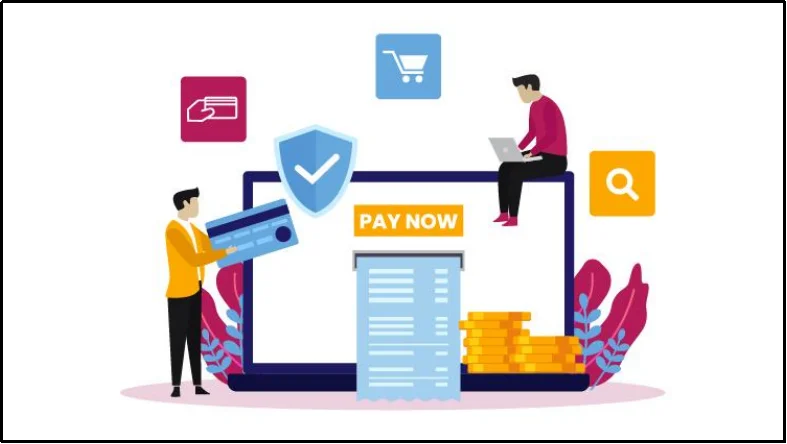
A payment gateway is a technology that securely captures, encrypts, and transmits payment information from the customer to the payment processor for authorization. It acts as the secure bridge between the customer checkout page and the payment processing network.
A payment gateway facilitates communication between payment processors and merchants, which is a crucial component of the payment ecosystem.
How Does a Payment Gateway Work?
To understand it better, here’s the process in 8 simple steps.
- Step 1: Customer Initiates Payment
- Step 2: Payment Gateway Encrypts the Data
- Step 3: Payment Gateway Sends Data to the Payment Processor
- Step 4: Payment Processor Verifies the Payment
- Step 5: Request is Sent to the Issuing Bank
- Step 6: Issuing Bank Approves or Declines the Transaction
- Step 7: Payment Gateway Receives the Response
- Step 8: Response is Sent to the Website or App
Example Use Cases of Payment Gateways
eCommerce Stores: Online retailers use payment gateways to securely collect customer payment details during checkout and authorize payments made with credit cards, debit cards, or digital wallets.
Donation and Membership Websites: Nonprofits, charities, and membership-based organizations use payment gateways to securely accept one-time and recurring donations or membership fees through their websites.
Benefits and Limitations of Payment Gateways
Benefits
- Protects customer data: Payment gateways encrypt and tokenize sensitive payment information, helping reduce fraud and keep transactions secure.
- Supports multiple payment methods: Customers can pay using credit/debit cards, digital wallets, and other supported payment options from a single checkout.
- Easy website integration: Most payment gateways integrate with websites, apps, and eCommerce platforms, making online payments simple to set up.
- Global payment acceptance: Many gateways support multiple currencies and international payments, helping businesses sell to customers worldwide.
Limitations
- Additional costs: Most providers charge transaction fees, and extra charges may apply for international payments, refunds, or chargebacks.
- Dependent on third-party services: If the gateway, payment processor, or bank experiences downtime, payments may fail or be delayed.
- Limited customization: Some gateways offer only basic control over the checkout experience, making it difficult to fully match your website’s branding.
- Chargeback risks: Merchants may lose revenue when customers dispute legitimate transactions, even if the purchase was successfully completed.
What is a Payment Processor?
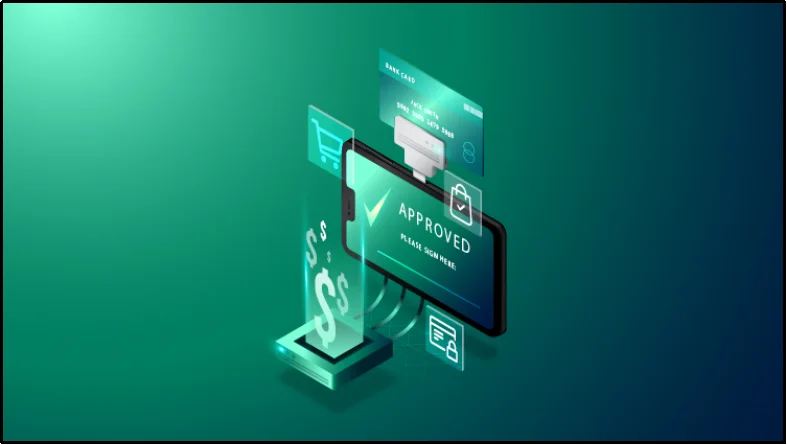
In online payments, payment processors act as intermediaries, facilitating communication between a business, its customers, their bank accounts, and the business’s bank account.
Regardless of business type, every online merchant needs a payment processor to accept customer payments. Additionally, many payment processors provide POS systems for brick-and-mortar stores, making it easier to collect credit card information during in-person transactions.
Merchants can connect payment processors to their accounts to collect payments directly. Alternatively, merchants can use third-party payment processors that store payments for multiple businesses, leading to a more streamlined experience with lower fees.
How Does a Payment Processor Work?
Now that you understand how payment gateways work, let’s examine how payment processors handle transaction authorization and fund transfers.
- Step 1: Customer Initiates the Payment
- Step 2: Payment Information is Sent Through the Payment Gateway
- Step 3: Payment Processor Initiates the Transaction
- Step 4: Card Network Requests Authorization
- Step 5: Approval or Decline is Returned
- Step 6: Merchant Completes the Transaction
- Step 7: Funds Are Transferred Between Banks
- Step 8: Merchant Receives the Funds
Example Use Cases of Payment Processors
Retail Businesses: Physical stores use payment processors to authorize card payments at point-of-sale (POS) terminals and transfer funds from the customer’s bank to the merchant’s account.
Subscription-Based Businesses: SaaS companies, streaming platforms, and online service providers rely on payment processors to handle recurring billing, process payments, and settle funds for monthly or annual subscriptions.
How Payment Gateways and Payment Processors Work Together
During an online transaction, the payment gateway collects and encrypts the customer’s payment information. The payment processor routes the transaction through the card network to the issuing bank for authorization. After approval, the acquiring bank receives the transaction and facilitates settlement to the merchant account. Once approved, the processor facilitates settlement and transfers funds to the merchant account before the money reaches the business bank account.
This coordinated process allows businesses to accept payments securely while complying with PCI DSS requirements and reducing fraud risks.
Benefits and Limitations of Payment Processors
Benefits
- Simplifies payment processing: Payment processors handle transaction authorization, fund transfers, and settlement, reducing the complexity of accepting online payments.
- Quick to get started: Most processors offer simple onboarding and integrate easily with popular eCommerce platforms and payment gateways.
- Built-in security and compliance: They help businesses meet PCI compliance requirements by using encryption, tokenization, and fraud detection tools.
- Supports international transactions: Many processors handle currency conversion and cross-border payments, making it easier to serve customers globally.
Limitations
- Processing fees: Every successful transaction usually incurs a fee, which can affect profit margins for businesses with high sales volumes.
- Account restrictions: Processors may temporarily hold funds or suspend accounts if they detect unusual or suspicious activity.
- Provider limitations: Available payment methods, supported countries, and hardware compatibility vary between processors, so businesses may need to work within provider-specific restrictions.
A Quick Explanation: Merchant Account
A merchant account is a special type of bank account that temporarily holds funds from customer card payments before they’re transferred to your business bank account. Traditionally, businesses had to open a separate merchant account through a bank to accept card payments.
Today, many all-in-one payment providers, including Square and PayPal, handle the merchant account on your behalf. This means you can start accepting payments without applying for a separate merchant account, making the setup process much simpler for small businesses and online stores.
Interested in learning more? These guides can help you get the most out of online payments:
▶️ Payment Processors vs ISOs: Differences, Similarities & Roles in Payment Processing [Guide 2026]
▶️ Payment Processor vs. Merchant Acquirer [Detailed Comparison]
▶️ Merchant Account vs. Payment Gateway: Comparison (2026)
▶️ Payment Processor vs. Payment Facilitator | What Are The Differences
Payment Gateway and Processor: Do You Need Both or Can One Replace the Other?
In most cases, yes – you need both a payment gateway and a payment processor to accept online payments. The payment gateway securely collects and sends the customer’s payment information, while the payment processor authorizes the transaction and transfers the funds between banks. Since they perform different tasks, they work together to complete a payment.
However, many modern payment providers combine these services into a single platform. For example, providers like Square and Stripe include both payment gateway and payment processing functionality, so businesses don’t need to integrate or manage them separately.
Payment Gateway vs Payment Processor: Real-World Example
Imagine a customer purchases a product from your online store using a credit card.
The payment gateway securely captures and encrypts the card information before sending it to the payment processor.
The payment processor routes the transaction through the card network to the issuing bank for authorization.
If the bank approves the transaction, the processor returns the approval message through the payment gateway to your website.
The customer receives a confirmation message, and the processor later settles the funds into the merchant account before transferring them to your business bank account.
Although this process takes only a few seconds, multiple systems work together behind the scenes to complete the payment securely.
Payment Gateway vs Payment Processor: Which One Does Your Business Need?
The right payment solution depends on how your business accepts payments and the features you need. Since payment gateways and payment processors serve different purposes, most businesses use both. However, many modern providers combine gateway and processing services into a single platform, making setup and management much easier.
Here’s what works best for different types of businesses.
Small Businesses
Small businesses often prefer all-in-one payment providers such as Square, Stripe, or PayPal. These platforms combine a payment gateway, payment processor, and merchant account into a single solution. This approach reduces setup complexity, simplifies payment management, and allows businesses to start accepting payments quickly without working with multiple vendors.
eCommerce Stores
Online stores need both payment gateway and payment processor functionality to accept payments securely. The payment gateway captures and encrypts customer payment information during checkout, while the payment processor authorizes the transaction and transfers funds. Many eCommerce businesses choose integrated solutions that support credit cards, digital wallets, recurring payments, and international transactions.
SaaS Companies
Software-as-a-Service (SaaS) businesses typically require advanced recurring billing capabilities. They need a payment solution that can securely store payment credentials, automate subscription renewals, manage failed payments, and support multiple pricing plans. Providers that combine payment gateway and payment processing services often offer built-in subscription management features that simplify recurring revenue collection.
Nonprofits and Charities
Nonprofits need payment solutions that make donations simple and secure. A payment gateway helps protect donor information, while the payment processor handles transaction authorization and fund transfers. Many organizations look for providers that support one-time donations, recurring giving programs, digital wallets, and donor-friendly checkout experiences to maximize fundraising efforts.
Businesses Accepting In-Person Payments
Retail stores, restaurants, and service businesses that accept card payments in person need a payment processor that supports point-of-sale (POS) systems, card readers, and payment terminals. Many providers also include payment gateway functionality, allowing businesses to manage both online and in-person payments from a single platform.
Businesses Selling Internationally
Companies that serve customers worldwide should look for payment solutions that support multiple currencies, cross-border transactions, and local payment methods. Choosing a provider that combines gateway and processing services can simplify international payment acceptance while reducing operational complexity.
In most cases, businesses need both a payment gateway and a payment processor. The good news is that many modern payment providers bundle these services together, allowing you to accept payments securely without managing separate systems.
Need a Payment Solution for WordPress? Try WP EasyPay
Choosing the right payment solution starts with understanding the difference between a payment gateway and a payment processor. While a payment gateway securely captures and transmits customer payment information, a payment processor handles the authorization, fund transfer, and settlement that complete the transaction. Together, they ensure every online payment is processed securely and efficiently.
WP EasyPay makes it easy to accept Square payments on your WordPress website without dealing with a complicated setup. You can create payment forms, accept one-time payments, donations, and subscription payments, and manage everything directly from your site. Whether you’re selling products, offering services, or collecting donations, WP EasyPay helps you provide a secure and straightforward checkout experience for your customers.
If you want to accept Square payments on WordPress without dealing with separate gateway and processor configurations, WP EasyPay provides a complete Square payment solution. Create payment forms, collect donations, accept subscriptions, and process secure online payments directly from your WordPress dashboard.
Frequently Asked Questions
What is the difference between a payment gateway and a payment processor?
A payment gateway securely captures, encrypts, and transmits payment information from the customer to the payment processor. A payment processor communicates with card networks and banks to authorize, process, and settle the transaction. In simple terms, the payment gateway handles payment data, while the payment processor moves the money.
Can a business use a payment processor without a payment gateway?
A business can use a payment processor without a payment gateway for in-person payments made through a point-of-sale (POS) system. However, most online businesses need both. The payment gateway collects and secures customer payment information, while the payment processor authorizes and completes the transaction.
Do all payment gateways require a merchant account?
Not all payment gateways require a separate merchant account. Traditional payment setups often require merchants to open their own merchant account. However, many modern payment providers, such as Square, Stripe, and PayPal, include merchant account services as part of their platform, allowing businesses to start accepting payments without opening a separate account.
Does Stripe include both a payment gateway and a payment processor?
Yes. Stripe combines payment gateway and payment processing functionality in a single platform. It securely collects payment information, processes transactions, communicates with banks and card networks, and settles funds on behalf of businesses.
Does PayPal act as both a payment gateway and payment processor?
Yes. PayPal provides both payment gateway and payment processing services. It allows businesses to accept online payments, securely transmit payment information, process transactions, and manage fund transfers through a single platform.
Which is more important: a payment gateway or a payment processor?
Neither is more important because each serves a different purpose. A payment gateway secures and transmits payment data, while a payment processor authorizes transactions and transfers funds between banks. Most online businesses need both components to accept payments successfully. Many modern providers combine both services into a single solution, making payment acceptance easier to manage.
Is a payment gateway required for online payments?
A payment gateway is usually required for online payments because it securely collects and encrypts customer payment information before sending it for authorization. Many modern payment platforms include gateway functionality as part of their service.
Can a payment gateway and payment processor be the same provider?
Yes. Many modern payment companies, including Square, Stripe, and PayPal, combine payment gateway and payment processing services into a single platform. This allows businesses to accept payments without managing separate providers.
What happens if a payment processor goes down?
If a payment processor experiences downtime, transactions cannot be authorized or settled. Customers may see payment failures until the processor restores service.
Can a payment gateway process payments by itself?
No. A payment gateway securely collects and transmits payment information, but it cannot authorize transactions or transfer funds. A payment processor is required to complete the payment.