



Every online transaction, even a $5 impulse buy or a $5,000 luxury product, depends on one piece of technology: the payment gateway. It’s the digital cashier for your store, responsible for verifying, encrypting, and approving payments within seconds.
For any WordPress, WooCommerce, Shopify, or Magento store owner, that layer is a must. It’s the difference between a customer completing a checkout and abandoning their cart for good.
A payment gateway plugin is what connects your store’s front end to the banking infrastructure that actually moves money.
In this guide, we’ll break down what a payment gateway plugin is, why it is important, and how to choose the right one for your ecommerce business.
What is a Payment Gateway Plugin?
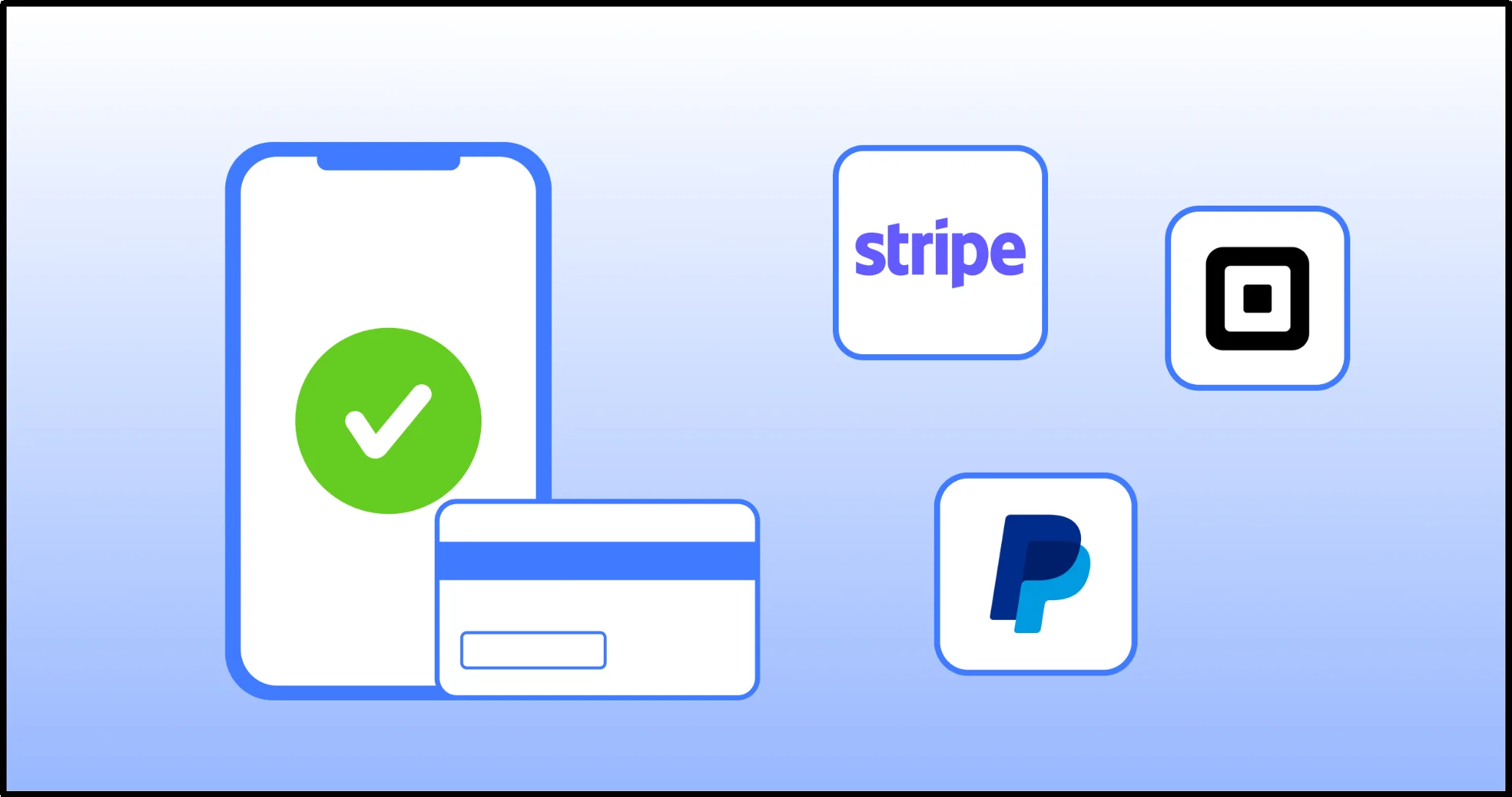
A quick recap: A payment gateway plugin is software that integrates a payment processing service directly into your ecommerce platform, allowing your store to securely accept, authorize, and process online payments directly from your ecommerce checkout. Without the need to redirect customers to a completely separate, unfamiliar system.
In simple terms, it acts as the messenger between your checkout page, the customer’s bank, and your business’s bank account. It securely captures payment details, encrypts the data, sends it to the payment processor for authorization, and returns an approval or decline response within seconds.
Read More 👉: What is Square Payment Gateway?
Use Case Scenarios:
- WooCommerce payment plugins: extensions that connect WordPress-based stores to payment processors such as Stripe, PayPal, or Razorpay.
- Shopify Payments and app-based gateways: built-in and third-party options within the Shopify ecosystem.
- Magento payment extensions: modules that connect Magento/Adobe Commerce stores to enterprise-grade payment processors such as Adyen or Braintree.
- WordPress payment forms: plugins that allow businesses to accept one-time payments, donations, subscriptions, or service payments without running a full ecommerce store.
Regardless of platform, the core job is the same: move money safely, quickly, and without friction for the customer.
Importance of a Payment Gateway Plugin in eCommerce

A reliable payment gateway plugin does more than process transactions. It securely connects your website to payment providers, automates the checkout process, and gives customers a fast, hassle-free way to pay.
The right plugin also improves payment security, supports multiple payment methods, and helps reduce cart abandonment, making it an essential part of any online business. Here are the main reasons why it is important.
1. Enhanced Customer Trust & Security
Shoppers are far more likely to complete a purchase when they see recognizable security cues, SSL encryption, trusted payment logos, and PCI-DSS compliance badges. A reliable payment gateway plugin builds this trust automatically by handling encryption, fraud checks, and compliance standards behind the scenes.
2. Multiple Payment Options
Modern shoppers expect multiple payment methods, including credit cards, debit cards, digital wallets, bank transfers, and Buy Now, Pay Later (BNPL) services. A good plugin lets you offer credit/debit cards, UPI, digital wallets (Apple Pay, Google Pay), and Buy Now, Pay Later (BNPL) options, all from a single integration. The more familiar the payment method, the more likely a visitor is to check out rather than abandon the cart in search of an easier option elsewhere.
3. Reduced Cart Abandonment
A large share of cart abandonment happens because checkout feels slow, confusing, or untrustworthy. Payment gateway plugins that support one-click checkout, saved payment methods, and mobile-optimized flows directly reduce this drop-off by removing friction at the exact moment a customer is ready to buy.
4. Global Scalability & Multi-Currency Support
If you plan to sell beyond your home market, your payment gateway plugin needs to support multiple currencies, regional payment methods, and localized checkout experiences. This lets international customers see prices and pay in their own currency, removing a major psychological barrier to purchase and positioning your store for real global growth.
5. Conversion Rate Optimization
Faster checkout pages improve user experience, reduce abandonment, and increase completed purchases. A lightweight, well-coded payment gateway plugin loads faster, reduces checkout steps, and keeps customers on your domain longer. All of which improve both user experience metrics and your store’s ability to convert traffic into revenue.
6. Compliance & Fraud Prevention
Search engines and customers alike penalize sites that feel unsafe. Gateways compliant with PCI-DSS standards, along with built-in fraud detection, protect your store’s reputation and, by extension, the trust signals that support long-term SEO performance.
How Payment Gateway Plugins Work
Understanding the mechanics helps explain why this piece of software carries so much weight in your ecommerce stack.
The Payment Process Flow
- A customer adds products to their cart and proceeds to checkout.
- They enter their payment details, such as a credit card, debit card, digital wallet, or UPI.
- The payment gateway plugin securely encrypts or tokenizes the payment data and sends it to the payment gateway or payment processor for authorization.
- The payment processor communicates with the customer’s issuing bank to verify the payment details, check available funds, and authenticate the transaction.
- If the bank approves the payment, the processor sends an authorization response back through the payment gateway to your website.
- Your store displays an order confirmation, records the transaction, and the payment provider begins the settlement process to transfer the funds to your merchant account.
How to Choose the Right Payment Gateway Plugin
Not all payment gateway plugins are created equal. Here are the key factors you should evaluate before considering one for your business:
- Security & Compliance: Does it support PCI-DSS, tokenization, and 3D Secure?
- Transaction Fees: Per-transaction pricing vs. flat monthly fees; calculate which model suits your sales volume.
- Integration Ease: Can it be installed and configured without custom development work?
- Payment Method Coverage: Cards, wallets, UPI, BNPL, and international options.
- Recurring Billing Support: Essential for subscription or membership-based stores.
- Customer Support: Live chat or direct technical support beats email-only support when a payment issue needs fixing fast.
- Mobile Optimization: With the majority of online shopping now happening on mobile, checkout must work flawlessly on smaller screens.
- API & Developer Support: Useful for businesses that need custom payment workflows or third-party integrations.
How to Install WP Easy Pay – Payment Gateway Plugin?
Installing a payment gateway plugin is the first step toward accepting secure online payments on your WordPress website. With WP Easy Pay, the setup process is quick and beginner-friendly, allowing you to connect your payment provider and start processing payments in just a few minutes.
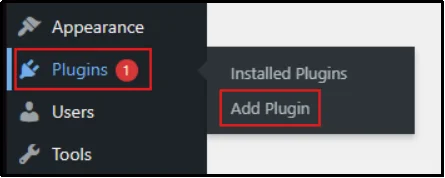
- In your WordPress dashboard, go to Plugins → Add Plugin.
- Enter WP Easy Pay in the search bar and look for the plugin by Saad Iqbal.
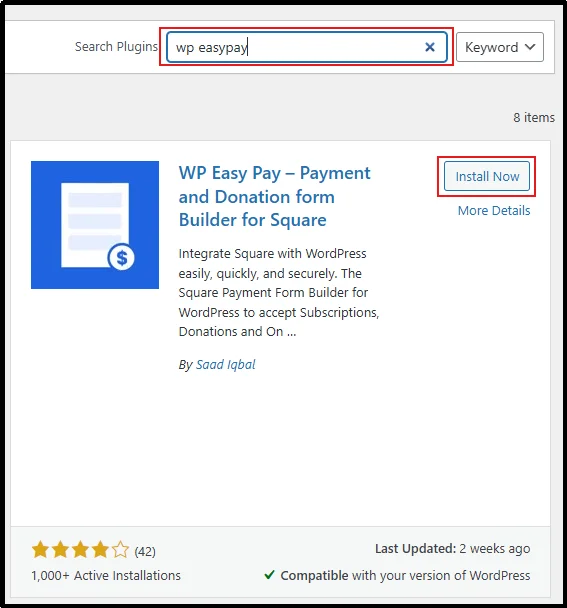
- Click Install Now, and Activate a few seconds later.
Congratulations! You have successfully installed WP Easy Pay on your WordPress site.
👉 To set up Square Payments, check our guide on How to Set Up Square Payments in WordPress (Step-by-Step)
Ready to Get the Best Payment Gateway Plugin
A payment gateway plugin isn’t just a technical add-on; it’s a trust layer, a conversion tool, and a growth enabler rolled into one. It determines whether a customer feels safe entering their card details, whether your checkout keeps pace with mobile shopping habits, and whether your store can expand into new markets without friction. Every ecommerce store, regardless of size, needs a payment gateway plugin that’s secure, fast, and built around how customers actually want to pay.
If your current checkout is costing you sales, it’s time to fix the one part of your store customers trust the most: the payment step.
Install WP Easy Pay to integrate the Square Payment Gateway into your WordPress website and start accepting secure payments through customizable payment and donation forms.
Frequently Asked Questions
Do I need a payment gateway plugin if I use Shopify?
Yes, unless you use Shopify’s built-in Shopify Payments. If you want additional or region-specific payment options, you’ll need a gateway plugin or app.
Are payment gateway plugins safe to use?
Reputable plugins that comply with PCI DSS and use encryption/tokenization are safe. Always check for security certifications before installing one.
Can a payment gateway plugin support recurring payments?
Many do. If you run a subscription or membership-based store, look specifically for a plugin with built-in recurring billing support.
Will a payment gateway plugin slow down my website?
A well-coded plugin shouldn’t cause noticeable slowdown. Choose lightweight, actively maintained plugins to avoid performance issues.
Which payment gateway is best for a WordPress store?
It depends on your needs, but options like Square, Stripe, PayPal, and Razorpay are popular choices depending on your target market and required features.